


How to Measure a Rod End Bearing
Published 16 June 2026
Rod end bearings are used throughout industrial machinery, motorsport, agricultural equipment and mechanical linkages. If you need to replace a worn rod end but do not have the original part number, taking a few simple measurements will usually allow you to identify a suitable replacement.
The most important dimensions are the bore size, thread size and thread type. Once these have been established, it becomes much easier to find a matching rod end bearing.
Step 1 - Measure the Bore Size
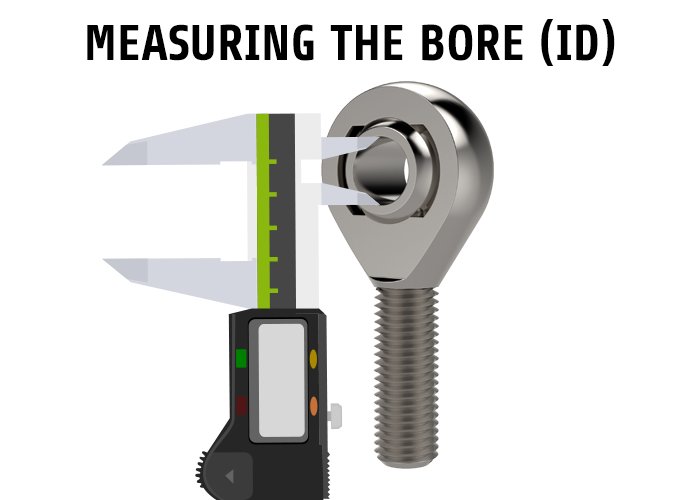
The bore is the hole through the centre ball of the rod end bearing.
This is normally measured using a vernier caliper and will typically be shown as a metric or imperial dimension.
Common metric bore sizes include 6mm, 8mm, 10mm and 12mm, whilst imperial sizes commonly include 1/4", 3/8" and 1/2".
Step 2 - Identify the Thread Size
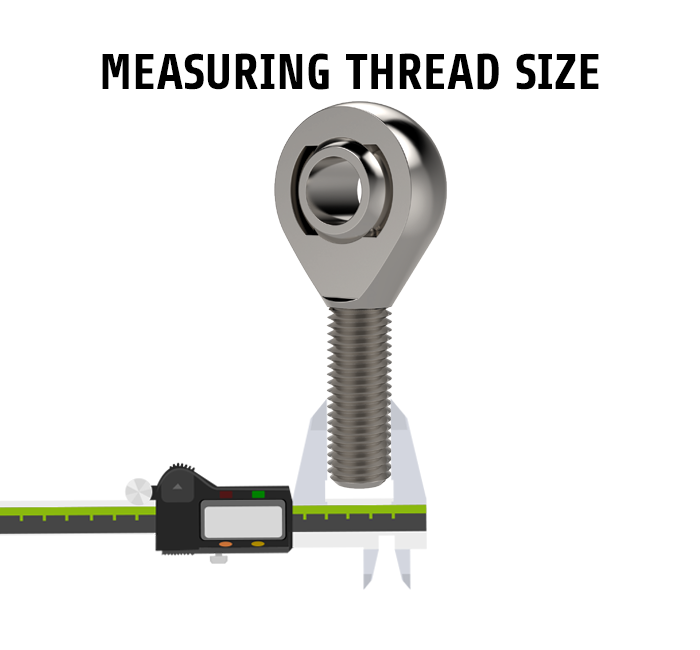
Measure the diameter of the threaded shank and determine the thread pitch.
For metric rod ends this may be M8, M10, M12 or M16. Imperial rod ends are commonly supplied in UNF thread forms such as 1/4"-28 or 3/8"-24.
Step 3 - Check Whether the Thread is Male or Female
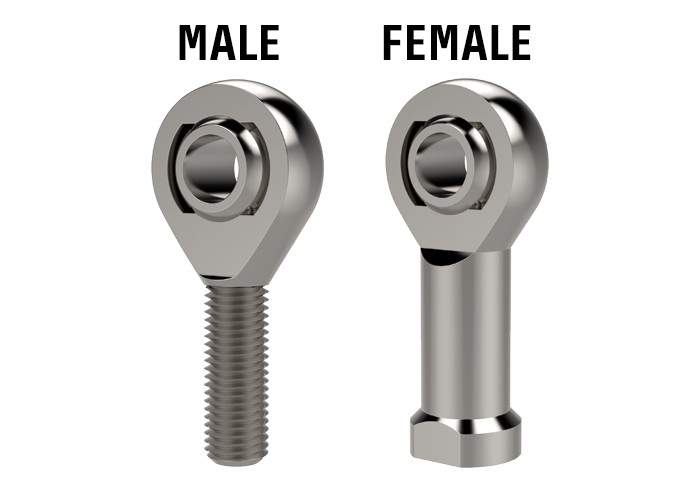
Rod ends are available with either external (male) threads or internal (female) threads.
It is important to match the existing arrangement to ensure compatibility with the linkage or assembly.
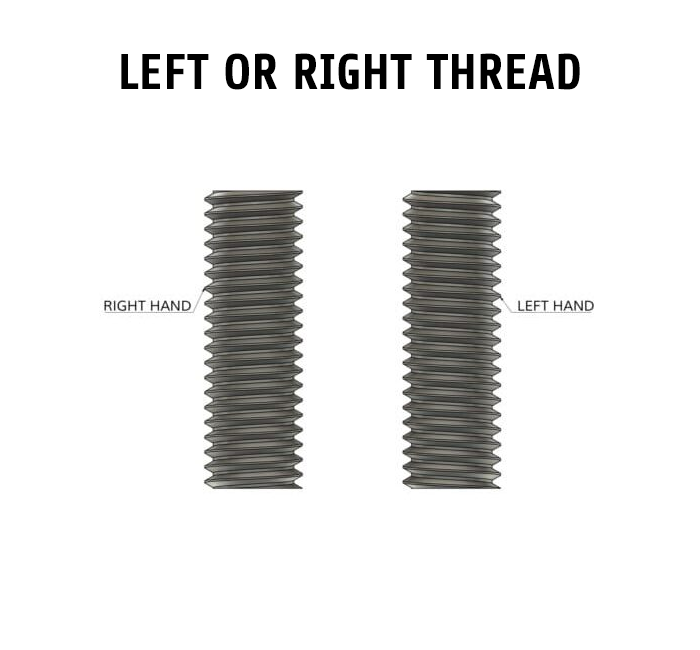
Step 4 - Determine Thread Hand
Most rod end bearings use right-hand threads, however left-hand thread versions are frequently used where adjustment is required without disconnecting the linkage.
Always confirm the thread direction before ordering a replacement.
Step 5 - Compare Housing Dimensions
Whilst the bore and thread dimensions are usually enough to identify a replacement, measuring the outside diameter and width of the rod end housing can help confirm the correct series.
This is particularly useful when replacing older bearings where part numbers are no longer visible.
Need Help Identifying a Rod End Bearing?
If you are unsure which rod end bearing you require, contact our technical team with your measurements and photographs. We can help identify suitable metric and imperial rod end bearings from our extensive range.